


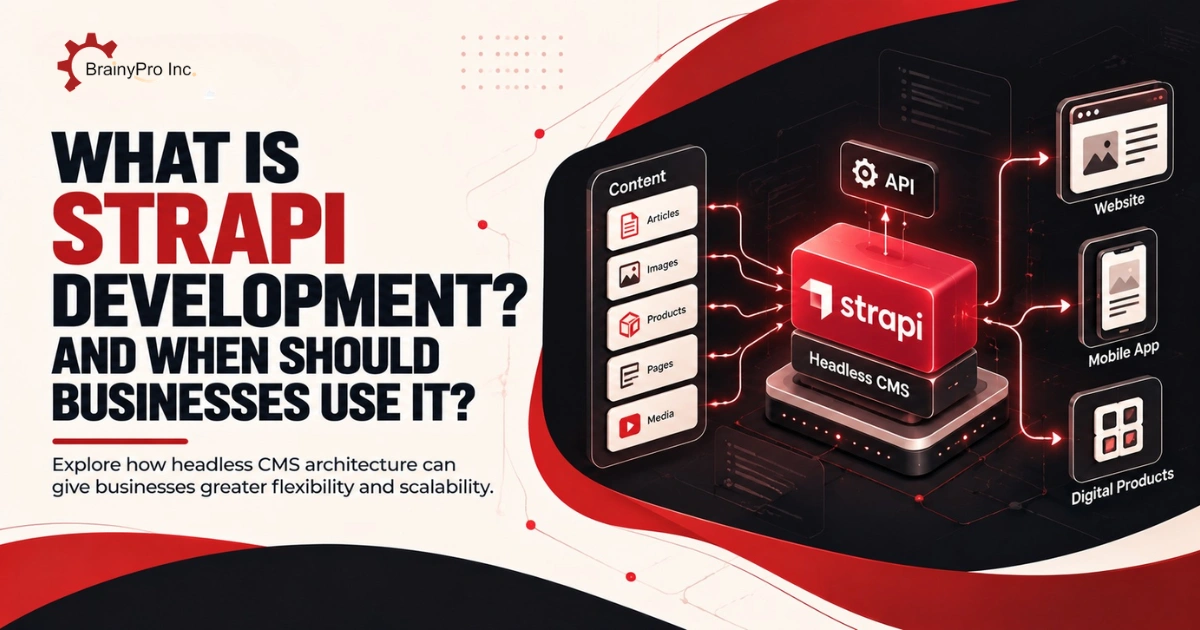
Modern digital organizations demand flexible architectures to power multi-channel customer experiences effortlessly. Traditional content platforms often struggle to deliver structured data smoothly across web applications and mobile devices. Headless technology bridges this operational gap by separating content creation environments from digital presentation layers.
Choosing a modern decoupled platform enables engineering teams to build resilient, high-speed digital architectures. Enterprise organizations utilize open-source frameworks to streamline editorial publishing and optimize application development workflows simultaneously.
Below is a detailed evaluation of modern content management architectures and enterprise deployment strategies.
Demystifying Strapi: The Rise of Modern Headless Content Management
Headless content architecture transforms how modern enterprises structure, manage, and distribute digital content across global networks.
Understanding Headless Architecture vs. Monolithic CMS Ecosystems
Monolithic content management systems bind content storage databases directly to rigid frontend display templates. This tight coupling creates technical debt, limits frontend developer creativity, and slows down application performance over time. Decoupled content architectures eliminate frontend constraints by serving raw data securely through structured application programming interfaces.
What Makes Strapi the Leading Open-Source Node.js Content Platform
Built on JavaScript and Node.js, this open-source platform provides developers with complete codebase control and customization flexibility. Its active open-source community offers plugins to extend core system capabilities effortlessly. Engaging a specialized Strapi development company helps businesses customize backend architectures while maintaining long-term platform stability.
Key Capabilities and Core Architecture of Strapi Development
Enterprise content applications require robust foundational software engineering to handle complex data schemas and high traffic volumes.
API-First Delivery: Customizable RESTful and GraphQL Endpoints
An API-first framework automatically generates structured RESTful and GraphQL endpoints immediately upon content model creation. Software engineers can customize controller logic, filter response payloads, and optimize query speeds using configuration files. This flexible architecture ensures rapid integration with downstream web and mobile consumer applications.
Dynamic Content Type Builder and Granular Role-Based Access Control (RBAC)
An intuitive Content Type Builder allows administrators to design complex relational data models without writing manual SQL schema migrations. Built-in media library management simplifies asset handling across global publishing pipelines. Granular role-based access control policies safeguard sensitive content staging areas across enterprise editorial teams.
Self-Hosted Data Sovereignty and Unconstrained Infrastructure Ownership
Unlike fully managed cloud platforms, self-hosted deployments guarantee total data ownership and complete privacy control. Organizations host application code on preferred cloud providers, maintaining total compliance with regional security regulations. Complete infrastructure control prevents vendor lock-in while lowering long-term enterprise software operational expenses.
When Should Businesses Choose Strapi Development?
Selecting a decoupled architecture depends on unique organizational requirements, current tech stacks, and long-term digital growth plans.
Multi-Channel Omnichannel Publishing Across Web, Mobile Apps, and IoT
Modern brands must publish unified content seamlessly across desktop browsers, native mobile apps, and smart digital displays. A central headless repository stores content neutrally, broadcasting structured payloads to any internet-connected device instantly. This omnichannel approach ensures brand messaging remains consistent across all customer digital touchpoints.
Decoupled Frontend Freedom Using Next.js, React, Nuxt, or Native Mobile
Decoupling content storage empowers frontend developers to pick modern frameworks like React or Vue freely. Implementing targeted Strapi Next.js development patterns allows engineering teams to build lightning-fast, search-engine-optimized web applications effortlessly. Frontend teams iterate user interfaces independently without risking backend platform stability or data integrity.
High-Performance Enterprise Applications Requiring Sub-Second Load Times
Legacy monolithic platforms suffer from heavy database overhead, resulting in sluggish page render times and poor user retention. Headless architectures deliver cached JSON responses rapidly to client-side interfaces or edge computing nodes. Sub-second response times improve user engagement metrics, lower bounce rates, and boost search engine rankings.
Microservices Integration with Legacy Systems, ERPs, and CRMs
Modern enterprise software stacks rely on interconnected microservices rather than isolated single-vendor technology suites. Open API architectures integrate seamlessly with enterprise resource planning systems, customer relationship databases, and payment gateways. Modern Strapi v5 development workflows utilize enhanced database engine features to streamline complex enterprise data integrations.
Strategic Business Benefits of Implementing Strapi
Adopting modern headless technology drives operational efficiency for engineering teams and marketing departments alike.
Reducing Development Timelines with Instant API Auto-Generation
Automated database schema creation and API endpoint generation drastically reduce backend software engineering setup timelines. Developers construct complete functional content backends within hours instead of spending weeks configuring relational database schemas. Rapid prototyping capabilities help startups and enterprise teams bring digital products to market significantly faster.
Driving Down Total Cost of Ownership (TCO) Without Recurring License Fees
Proprietary enterprise content platforms charge steep recurring subscription fees that increase as content operations scale. An open-source core framework eliminates expensive per-user licensing costs, drastically lowering long-term total cost of ownership. Organizations redirect software budgets toward custom feature development, security enhancements, and user interface improvements.
Empowering Content Teams with Tailored Editing Interfaces
Customizable administration panels provide content creators with clean, focused editing environments free from technical distractions. Editorial teams create, preview, and publish rich multi-language content without requesting technical developer support. Streamlined publishing workflows eliminate internal operational bottlenecks between software engineers and creative marketing departments.
Off-the-Shelf SaaS CMS vs. Custom Strapi Solutions
Selecting between generic cloud-hosted content tools and custom software engineering impacts long-term organizational digital capability.
The Bottlenecks of Proprietary SaaS Content Platforms
Turnkey SaaS content platforms restrict database customization, enforce rigid API call rate limits, and lock down underlying source code. Expanding software functionality often requires costly tier upgrades or cumbersome workarounds that introduce security vulnerabilities. Strict platform rate limits hinder application performance during unexpected marketing traffic spikes.
Custom Strapi Engineering: Tailoring Plugins, Workflows, and Third-Party Connectors
Custom software engineering grants organizations total flexibility to build custom administrative plugins, webhooks, and automated publishing pipelines. Integrating specialized e-commerce tools like a custom Strapi Shopify integration synchronizes product catalogs and content seamlessly. Bespoke software architectures ensure your digital infrastructure adapts perfectly to evolving business requirements over time.
Security, Governance, and Cloud Deployment Strategies
Protecting enterprise digital assets requires strict data governance protocols and resilient cloud infrastructure management.
Enterprise Security and Regulatory Data Compliance
Self-hosted headless systems allow security teams to implement custom network firewalls, data encryption standards, and intrusion detection monitoring. Full infrastructure control simplifies compliance audits for strict international standards like HIPAA, GDPR, and SOC2 certifications. Centralized audit logging tracks administrative actions clearly, ensuring complete accountability across enterprise editing teams.
Deploying and Auto-Scaling Strapi on AWS and Kubernetes Environments
Containerizing Node.js applications using Docker allows seamless deployment to modern cloud infrastructure like AWS, Google Cloud, or Azure. Orchestrating application clusters with Kubernetes guarantees high availability, automatic load balancing, and self-healing node recovery during traffic spikes. Dynamic cloud auto-scaling maintains rapid API performance while optimizing server resource spending effectively.
Engineering Enterprise Systems: The BrainyPro SDLC Framework
Executing successful enterprise headless content migrations requires structured software development processes and deep technical domain expertise.
Translating Content Requirements into Scalable Software Architectures
Engineers must align complex editorial publishing requirements with modern cloud architectures, relational databases, and secure network infrastructure. Bridging the gap between content strategy and backend engineering demands experienced digital transformation partners. BrainyPro Inc. helps global organizations build resilient digital platforms designed for maximum scalability and operational efficiency.
BrainyPro Inc.’s Delivery Model: From Concept to Launch
BrainyPro Inc., headquartered in Silicon Valley, CA, is a software development, software consulting, and analytics solutions provider. The company specializes in enterprise digital transformation, cloud architectures, custom web and mobile applications, bio-informatics, and life sciences informatics. BrainyPro Inc. guides enterprise clients through a disciplined software development lifecycle:
- Discovery: Understanding business goals, target audience, competitors, and project scope through detailed discussions to define clear strategic direction.
- Requirement Gathering: Collecting complete functional, technical, and content requirements to eliminate assumptions before design and development.
- Wireframing & Design: Creating structured layouts and visually appealing designs to plan user experience, define interface elements, and establish brand consistency.
- Development: Converting approved designs into fully functional, responsive, and optimized systems using clean code and modern technology standards.
- Deployment: Executing system integration, security audits, performance testing, and launching the application.
- Maintenance & Support: Providing continuous updates, security monitoring, performance improvements, bug fixes, and long-term technical support.
FAQs
1. What is Strapi development?
Strapi development involves configuring and extending the open-source Node.js headless platform to power modern digital applications. It allows developers to build custom content structures, RESTful or GraphQL APIs, and tailored administration interfaces.
2. Why combine Strapi with Next.js for web development?
Combining a headless content repository with Next.js delivers rapid static site generation and excellent search engine optimization. This modern stack gives marketing teams intuitive content controls while ensuring end users enjoy sub-second page loading.
3. How does Strapi integrate with e-commerce platforms like Shopify?
Integrations connect headless content repositories directly to e-commerce engines using custom webhooks and unified GraphQL APIs. This architecture allows brands to combine rich story-driven content seamlessly with dynamic product catalogs and secure checkout carts.
4. What are the main advantages of self-hosting a headless platform?
Self-hosting guarantees full data sovereignty, complete source code control, and freedom from recurring per-user platform subscription fees. It enables enterprise security teams to enforce custom compliance standards, custom database encryption, and tailored cloud scaling configurations.
5. What is the difference between monolithic and headless content architectures?
Monolithic architectures bind backend content storage directly to frontend presentation templates within a single unified software application. Headless architectures decouple content storage from presentation layers entirely, delivering raw structured data securely through APIs to any digital interface.
6. How does version 5 improve enterprise headless development?
The latest version introduces an upgraded database engine, simplified content transfer pipelines, and enhanced draft and publish workflows. These platform upgrades allow engineering teams to build faster, more resilient enterprise content applications with less custom code.
Conclusion
Transitioning to modern headless architectures empowers organizations to deliver lightning-fast digital experiences across diverse web and mobile platforms. Legacy monolithic systems create operational bottlenecks that hinder content marketing agility and slow down custom software development initiatives.
Adopting an open-source, API-first platform grants complete control over data schemas, system security, and underlying cloud infrastructure options. Investing in purpose-built headless solutions ensures your digital architecture scales effortlessly to support long-term business growth.